Erratic weather can leave the body unable to adapt in time, easily causing fatigue, headaches, joint pain, digestive upset or poor sleep. Traditional Medicine doctors share simple wellness principles to help the body stay balanced during seasonal transitions.
Erratic weather can leave the body unable to adapt in time, easily causing fatigue, headaches, joint pain, digestive upset or poor sleep. According to the doctors at the Saigon Traditional Medicine Clinic System, seasonal health care is not only about staying warm or eating well, but also about paying attention to the constitution and any unusual changes in the body.
Why does the body “run down” during seasonal transitions?

There are times when, within a single day, the temperature changes noticeably: chilly in the morning, hot at noon, rainy or humid in the afternoon. For people in stable health, the body can usually self-adjust. But for the elderly, those with chronic illness, frequent late-nighters or those who are run down, this change can make it harder for the body to adapt.
Some presentations patients often share when they come for examination include:
- Fatigue, sluggishness and low energy.
- Headache, dizziness or a heavy-headed feeling.
- Neck, shoulder and back pain, or aching joints in cold or rainy weather.
- Nasal congestion, sneezing and nose-throat discomfort.
- Bloating, poor appetite and digestive upset.
- Difficulty sleeping, fitful sleep or easy awakening.
- Some skin conditions tend to be more uncomfortable when temperature and humidity change.
From the Traditional Medicine perspective, health is influenced by both internal factors and the external environment. When the weather changes and the body adapts poorly, existing symptoms may become more apparent.
So the important thing is not to seek lots of “tonics” every time the seasons change, but to understand what the body lacks, where it is out of balance, and adjust accordingly.
5 simple habits to help the body adapt better during seasonal transitions
Health care need not start with complicated things. According to Traditional Medicine doctors, small changes in daily life can be an important foundation for helping the body adapt to the weather.
1. Keep warm but not overly bundled up
When it turns cold, pay attention to the neck, chest, back and feet, especially in the early morning or at night. However, avoid too many layers when it is still warm, as heavy sweating followed by a chill can also cause discomfort.
2. Avoid abrupt temperature changes
Stepping straight from hot outdoors into an overly cold air-conditioned room, or bathing in cold water while the body is still hot, are habits to limit.
3. Eat warm, moderate and on time
When the weather changes, favor easily digestible, well-cooked food and limit too much cold food if you are prone to bloating or indigestion. In particular, do not overuse tonics or word-of-mouth remedies in an effort to “boost immunity.”
4. Keep a relatively stable sleep routine
Prolonged late nights make it harder for the body to recover. Try to keep relatively regular sleep-wake times, reduce phone use before bed, and avoid too much coffee late in the day.
5. Light exercise every day
Walking, stretching, gentle wellness exercises or movements suited to your health help the body stay flexible, especially for those who often ache when the weather changes.
Not everyone should care for their health the same way during seasonal transitions
This is something the doctors at the Saigon Traditional Medicine Clinic System often remind patients.
Some people get joint pain whenever it turns cold. Some frequently have nasal congestion and sneezing. Some struggle to sleep, feel tired and eat poorly as soon as the weather shifts. Meanwhile, others have almost no notable symptoms.
Even with the same symptom of insomnia or pain, the cause and constitution of two people may differ. In Traditional Medicine, the assessment usually does not stop at a single symptom but considers many factors — constitution, diet, bowel and bladder function, sleep, tolerance to heat and cold, the state of qi and blood, and accompanying signs.
That is why self-applying a formula, a tea or a tonic method just because it worked for someone else may not suit your own body.
When are seasonal symptoms no longer just “a change in weather”?
A fairly common mistake is to blame every symptom on the weather: “It must be the changing weather,” “It’s cold so I can’t sleep,” “It’s the season change so my nose is blocked for a few days.”
These may be true in some cases. However, if symptoms persist, recur or increasingly affect daily life, patients should not simply endure them.
Seek examination when:
- You have frequent headaches, dizziness or insomnia.
- Neck, shoulder or back pain, or limb numbness, persists.
- Joint pain recurs repeatedly with weather changes.
- Nasal congestion, rhinitis, sinusitis or respiratory discomfort persists.
- You have poor appetite, bloating or frequent stomach pain.
- Fatigue lasts despite rest.
- Old symptoms return with greater frequency or severity.
In particular, if chest pain, shortness of breath, weakness or paralysis, facial drooping, altered consciousness or other unusual acute symptoms appear, go to a medical facility for early assessment rather than self-treating at home.
Health care begins with correctly understanding the constitution
One principle the Saigon Traditional Medicine Clinic System emphasizes is not applying the same care direction to all patients.
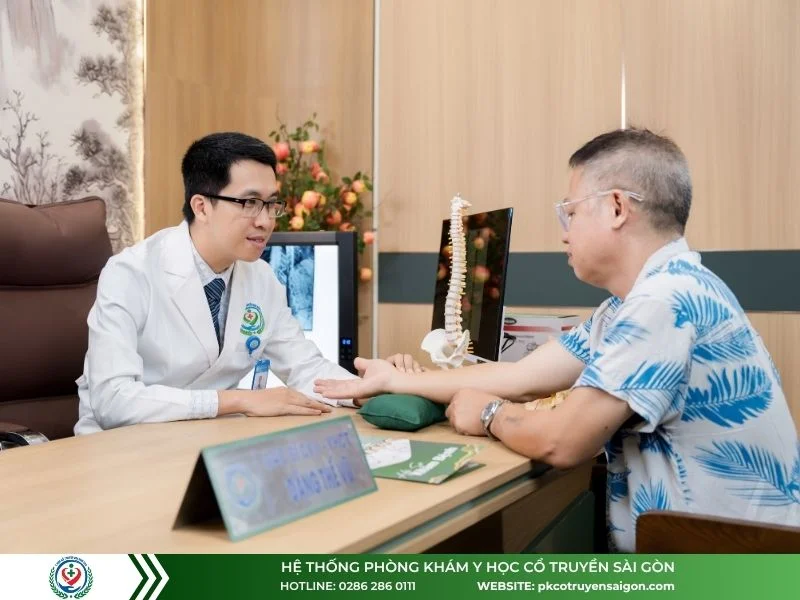
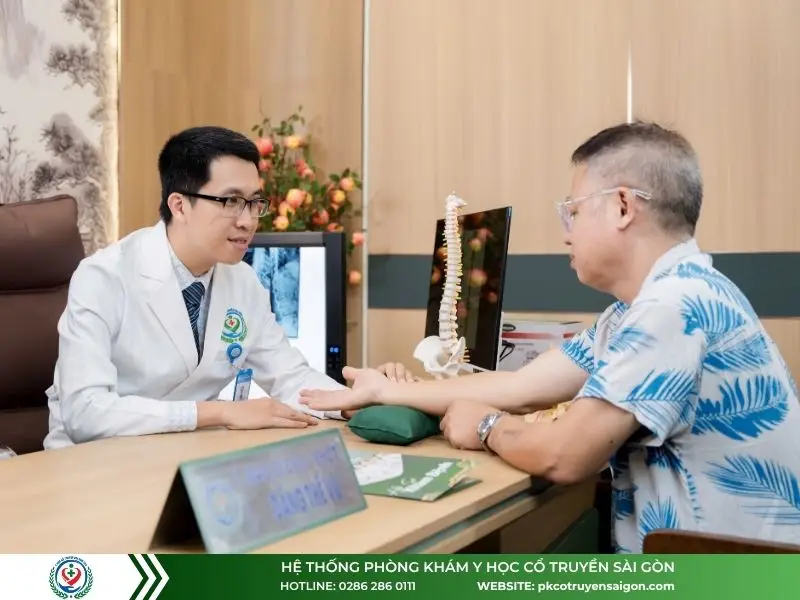
When receiving someone who is frequently uncomfortable during seasonal transitions, the doctor does not only ask “where does it hurt?” but also explores why the body reacts that way. The examination may consider the current condition, medical history, sleep, diet, lifestyle, symptom characteristics and the constitution according to Traditional Medicine.

Depending on the condition, the care and treatment direction can be personalized, combining:
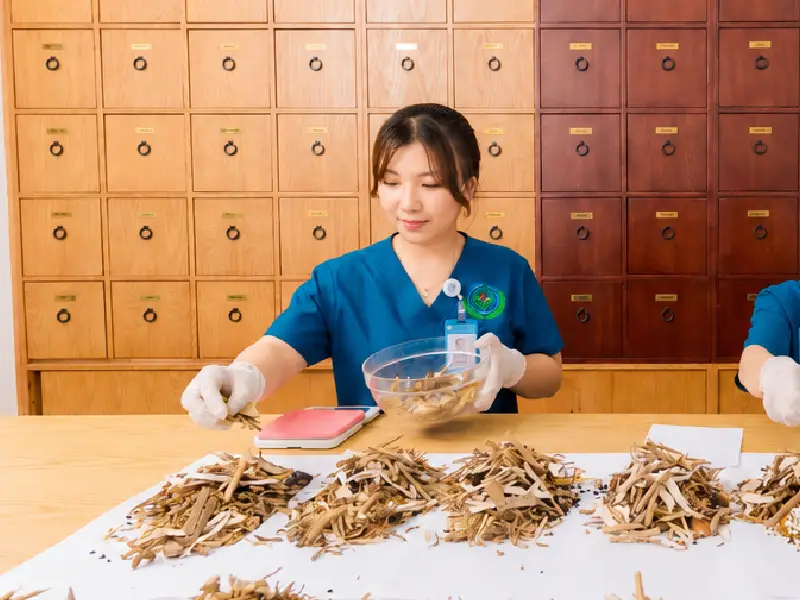
- Herbal medicine: prescribed by the doctor based on the specific pattern and constitution.
- Acupuncture: may be prescribed in some suitable cases to support pain relief, relaxation and improved function.
- Acupressure massage: supports muscle relaxation, reduces stiffness and improves mobility.
- Lifestyle adjustment: the doctor also advises on diet, exercise and rest based on the actual condition.
Importantly, the protocol is not fixed from start to finish. During treatment, the doctor monitors each person’s response to consider adjustments when needed.
Take the initiative with small changes so the body adapts better
Seasonal transitions are unavoidable, but how we prepare the body can change entirely. Eating more moderately, sleeping a little earlier, keeping warm correctly, exercising regularly and noticing unusual signals are simple things with lasting meaning.
For those with chronic illness or who frequently experience pain, insomnia, digestive upset, rhinosinusitis or several symptoms at once whenever the weather changes, an examination helps clarify the condition rather than continually self-adjusting at home.

A seasonal transition need not be a time when the body “speaks up” with a host of symptoms. What matters is recognizing early, caring correctly and seeking examination when unusual signs persist.