Over many years, the Government has issued a series of policies affirming the role of Traditional Medicine in public healthcare, while promoting close integration with modern medicine.
A pillar of Vietnamese healthcare
Traditional Medicine is a precious national heritage, tied to thousands of years of community healthcare. The State recognizes it as an inseparable part of the national health system.
Inheriting, preserving and developing Traditional Medicine goes hand in hand with modernizing the medical sector — toward a healthcare system that is both scientific and distinctly Vietnamese.
Notable policies
Multiple coordinated initiatives are being implemented for sustainable development of the field:
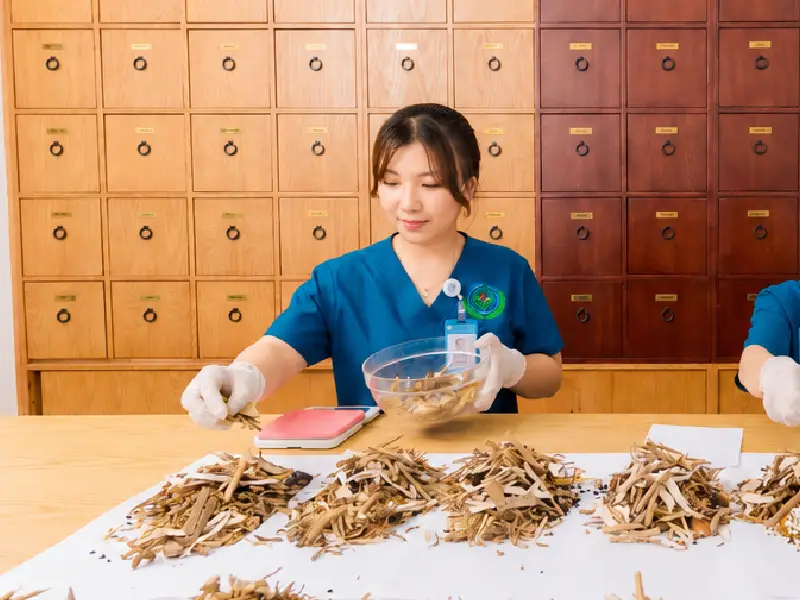
- Developing clean herb-growing regions, standardizing and tracing the origin of medicinal ingredients.
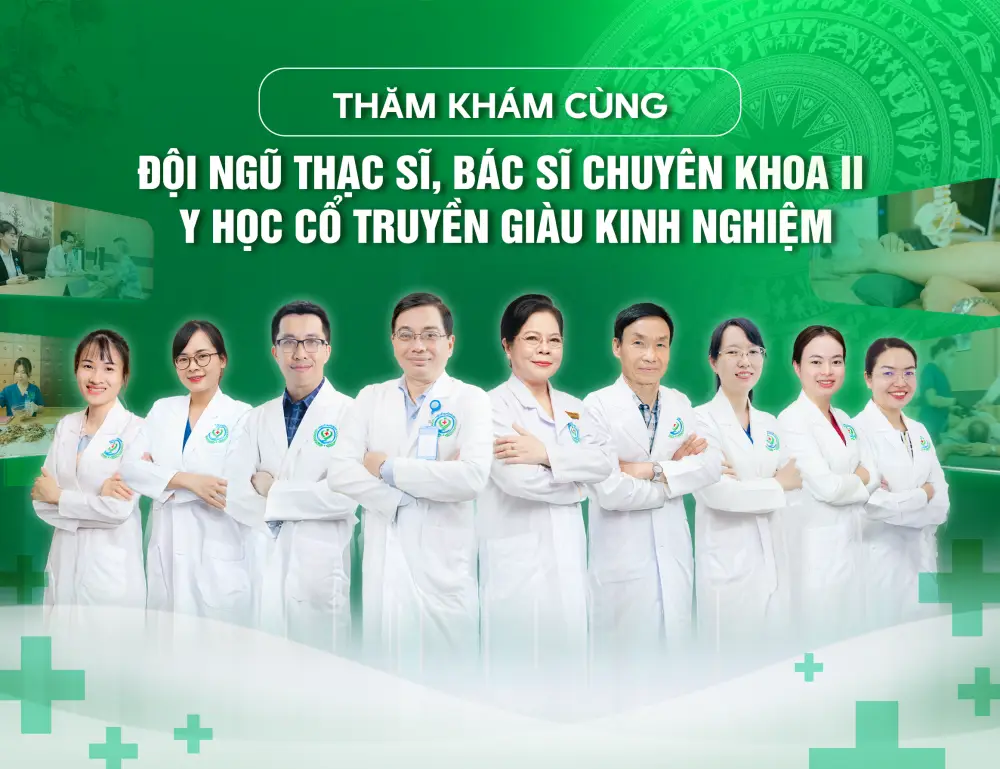
- Training qualified practitioners of Traditional Medicine through formal education.
- Expanding health insurance coverage for traditional treatment methods.
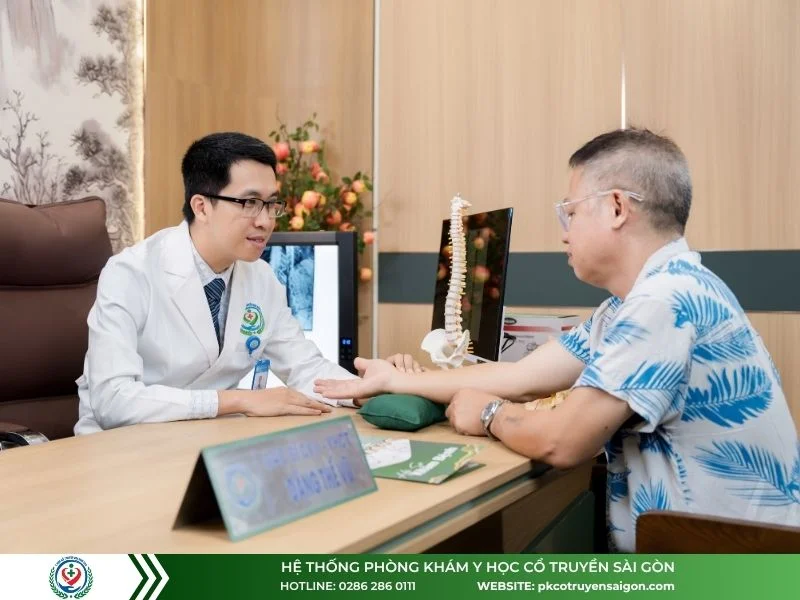
- Integrating Traditional and modern medicine directly within healthcare facilities.
Combining East and West
Integration draws on the strengths of both systems: modern medicine provides precise diagnosis and acute care; Traditional Medicine treats root causes, restores health and builds long-term strength.
This model is especially effective for chronic conditions — musculoskeletal, neurological, digestive — and rehabilitation.
What it means for patients
For the public, these policies open access to safe, gentle treatment at reasonable cost — with ever stricter quality control.
“Preserving and developing Traditional Medicine means safeguarding a part of the identity and wisdom of the Vietnamese people.”